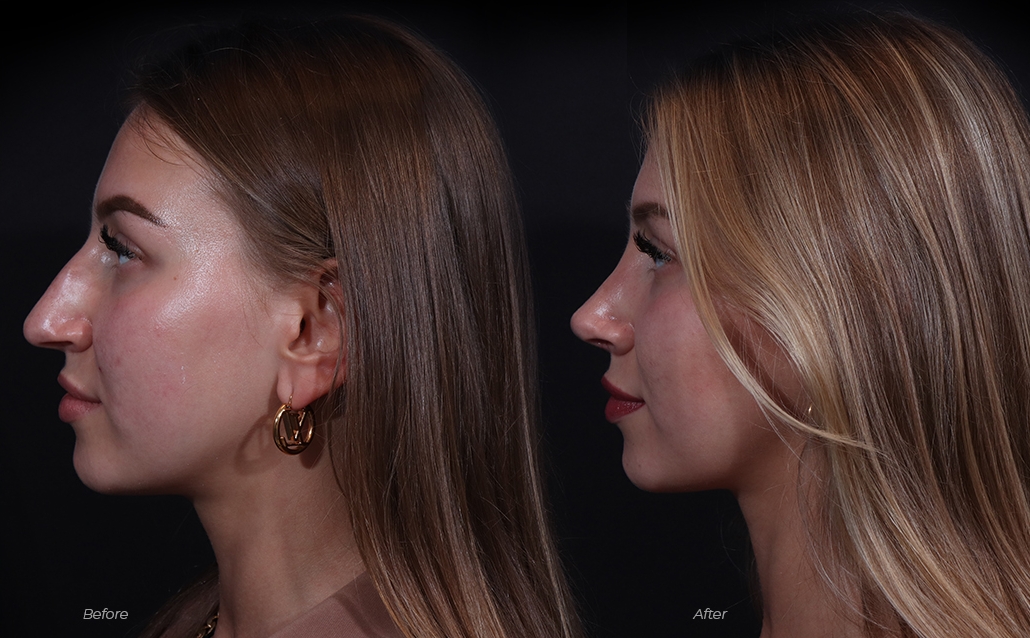
 View Our Patient Results on Instagram
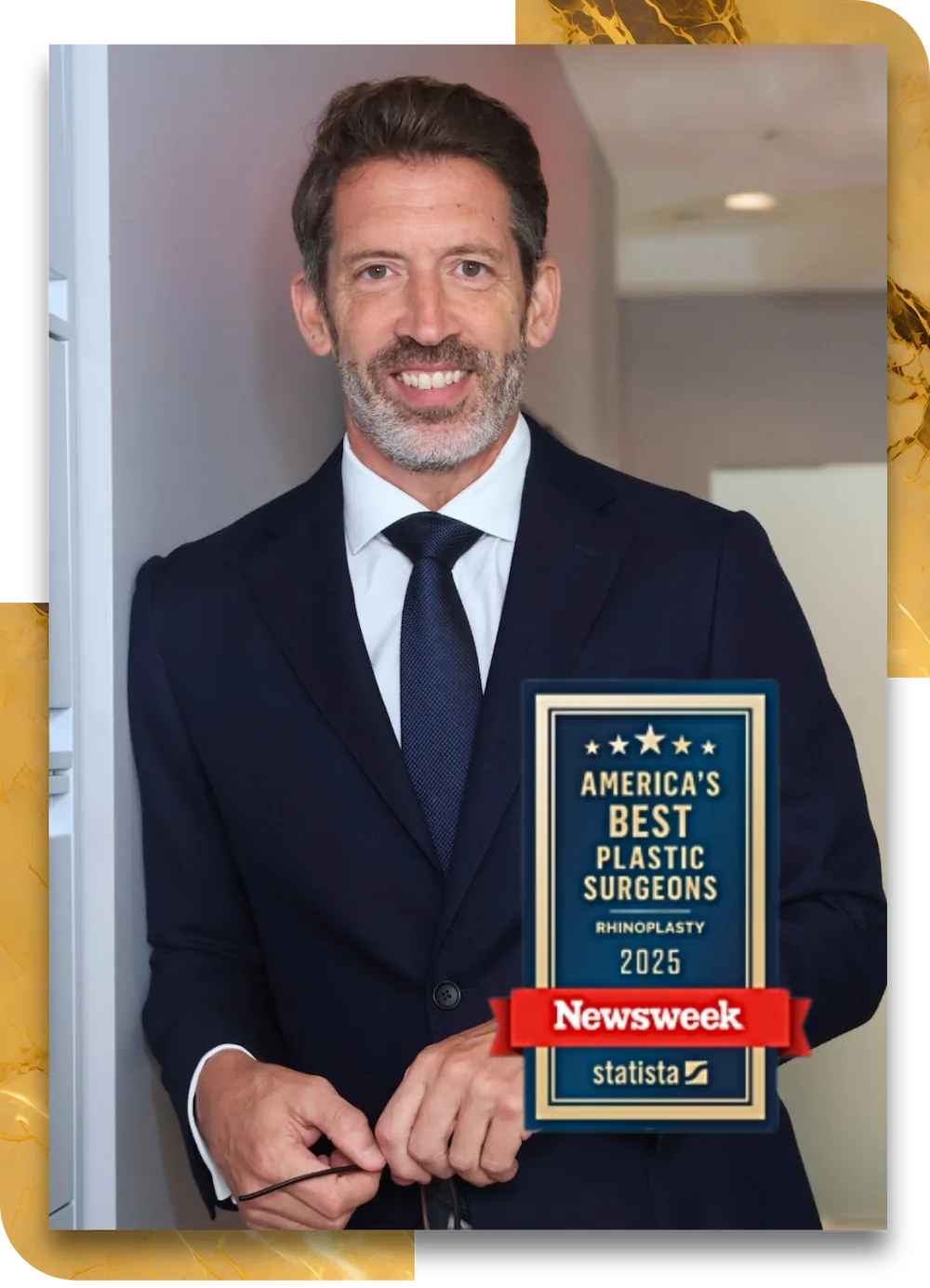
Recently voted one of
America’s Best Plastic Surgeons in Rhinoplasty
by Newsweek

Top-Ranked by Newsweek for Rhinoplasty — Dr. Cangello: Where Award-Winning Surgical Art Begins
Dr. David L. Cangello is an award-winning plastic surgeon in Manhattan who specializes in rhinoplasty and has earned recognition as one of America’s Best Rhinoplasty Surgeons by Newsweek (2025). With a reputation for precision, artistry, and natural-looking results, Dr. Cangello combines surgical expertise with an innate sense of aesthetic vision to help patients in New York City and beyond achieve their ideal nose. He is also recognized as one of the first surgeons in the United States to perform Preservation Rhinoplasty—a groundbreaking approach that has reshaped modern nasal surgery and continues to gain global adoption. As an early adopter and educator of this technique, Dr. Cangello has helped pioneer a method that surgeons across the U.S. and internationally are now eager to learn.
Ready to transform your nose and boost your confidence?
Consistently featured in the media for his expertise.




On This Page
- What Is Rhinoplasty?
- Preservation Rhinoplasty and Piezo Ultrasonic Technology
- Types of Rhinoplasty
- The Rhinoplasty Procedure: What to Expect
- Rhinoplasty Recovery: Timeline and What to Expect
- About Dr. David L. Cangello: Award-Winning Rhinoplasty Specialist
- Functional Rhinoplasty: Breathing Better, Looking Better
- Ethnic Rhinoplasty
- Rhinoplasty for Men
- Revision Rhinoplasty
- Non-Surgical Rhinoplasty
- Combining Rhinoplasty with Other Procedures
- Rhinoplasty Candidates: Is It Right for You?
- Rhinoplasty Risks and Safety Considerations
- Rhinoplasty NYC FAQs: Your Questions Answered
What Is Rhinoplasty?
Rhinoplasty is a surgical procedure that reshapes the nose by modifying the bone and cartilage beneath the skin. It can address cosmetic concerns, functional breathing problems, or both at once.
Cosmetic Rhinoplasty focuses on improving the appearance of the nose for better facial harmony.
Common concerns include:
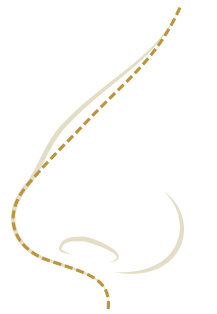
- Dorsal hump or bump on the bridge
- Bulbous or overly rounded nasal tip
- Crooked or deviated nasal bridge
- A nose that appears too large or too small for the face
- Asymmetrical nasal features
- A drooping nasal tip
Functional Rhinoplasty addresses structural problems that affect breathing, including:
- A deviated septum
- A collapsed nasal valve
- Enlarged turbinates
- Obstruction from a prior injury
Many patients combine cosmetic and functional rhinoplasty in a single procedure to improve both appearance and breathing at once.
Rhinoplasty is widely regarded as one of the most technically demanding cosmetic procedures, according to StatPearls. The nose is central to facial aesthetics, so even small changes in proportion can shift the balance of the whole face. Dr. Cangello brings both surgical precision and an artist’s eye to every case, working to create results that look like they were always part of the patient’s face.
-
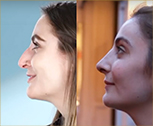
Elizabeth’s Story

-
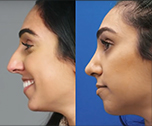
Jasmine's Story

-
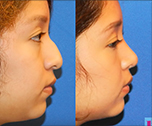
Angie's Story

Elizabeth’s Story
Concerns: Dorsal Hump, Downward Tip
Jasmine's Story
Concerns: Dorsal Hump, Downward Tip
Angie's Story
Concerns: Dorsal Hump, Downward Tip
Patient Results
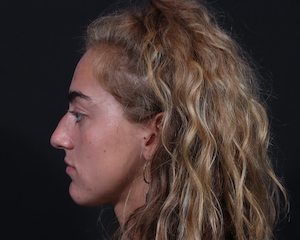
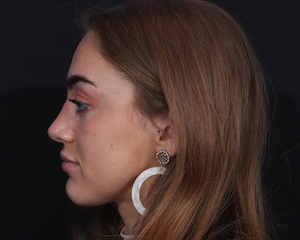
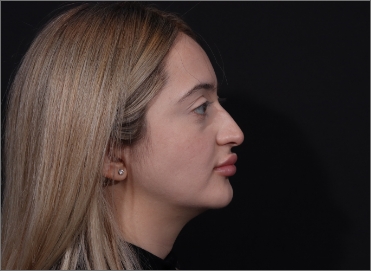
Rhinoplasty Case 1
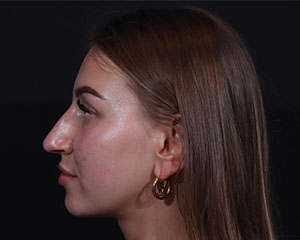
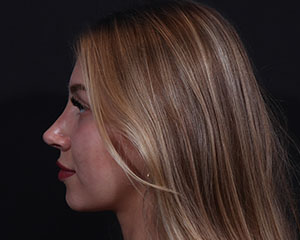
Rhinoplasty Case 2
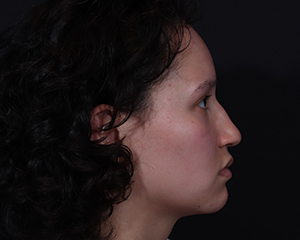
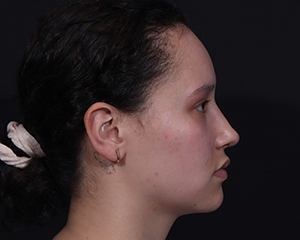
Rhinoplasty Case 3
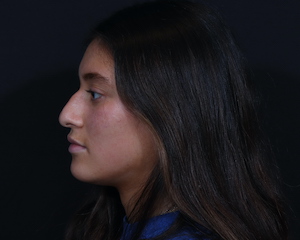
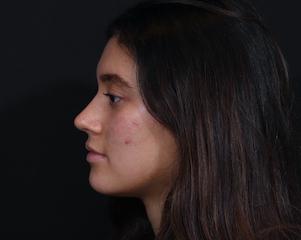
Rhinoplasty Case 4
Preservation Rhinoplasty and Piezo Ultrasonic Technology
Dr. Cangello was one of the earliest adopters of the use of Preservation Rhinoplasty in New York City. This technique preserves as much of your natural nasal structure as possible while still achieving your aesthetic and functional goals. He is regarded as one of the early adopters of Preservation Rhinoplasty in the United States, and he continues to lecture on the technique, including a recent scientific lecture to the Department of Plastic Surgery at Manhattan Eye, Ear and Throat Hospital, home to one of the nation’s most respected cosmetic surgery fellowships
Preservation Rhinoplasty offers:
- More natural-looking results that maintain your unique facial identity
- Shorter recovery time compared to traditional rhinoplasty
- Better long-term structural support and stability
- Reduced risk of revision surgery
- Reduced need for grafting
- Fewer visible irregularities of the dorsum after swelling completely subsides
Dr. Cangello also specializes in Piezo Ultrasonic Rhinoplasty, which uses ultrasonic technology for precise bone reshaping with minimal trauma to surrounding tissue.
This results in:
- Millimeter-precision bone sculpting
- Reduced bleeding and bruising
- Reduced swelling
- Faster healing
- Smoother, more natural bone contours
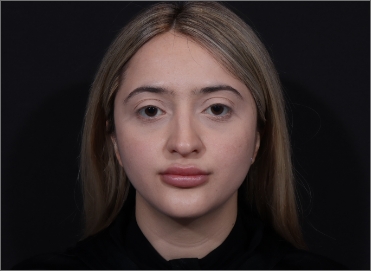
Post-Op Video
 Request A Consultation
To refine bone contours further, Dr. Cangello combines Piezo ultrasonic cutting with a powered cylindrical burr, allowing for smoother sculpting than either tool alone.
His Component Separation technique treats the nose as seven distinct structural components. He separates, modifies, and repositions each one individually, working as an artist would, to create results that look integrated and natural with strong long-term stability.
Ready to achieve your ideal nose?
Schedule your private consultation with Dr. Cangello today.
Book Your Appointment
Types of Rhinoplasty
Rhinoplasty is not one size fits all. Dr. Cangello offers several specialized approaches.
Open vs. Closed Rhinoplasty
Dr. Cangello’s preferred open approach uses a small incision across the columella plus internal incisions. It gives full visualization of the nasal structures, enables his Component Separation technique, and results in scarring that becomes imperceptible over time. It suits complex cases that need significant reshaping and offers strong long-term structural stability.
Closed rhinoplasty places all incisions inside the nose. It has a slightly shorter operative time and no visible external scarring, but limited visualization of the nasal structures. It suits minor refinements better than complex cases.
Preservation Rhinoplasty: A Revolutionary Approach
Preservation Rhinoplasty is an innovative technique that Dr. Cangello pioneered in New York City. It preserves as much of your natural nasal bone and cartilage as possible, removing only what is necessary to reach your goals. This maintains better blood supply and structural support, results in more natural outcomes, and shortens recovery time compared to traditional rhinoplasty. It also reduces the risk of revision surgery and suits patients seeking subtle, refined changes.
Piezo Ultrasonic Rhinoplasty
Dr. Cangello uses Piezo Ultrasonic technology for precise bone reshaping. Ultrasonic vibrations cut bone with millimeter precision, minimizing trauma to surrounding tissue. The result is less bleeding and bruising, more controlled and artistic bone sculpting, smoother contours, and faster healing.
The Rhinoplasty Procedure: What to Expect
Understanding the surgical process helps you feel confident and prepared. Here is how Dr. Cangello approaches rhinoplasty, step by step.Step 1: Your Private Consultation
Your rhinoplasty journey begins with a private consultation at Dr. Cangello’s Park Avenue office in Manhattan. During this visit:
- Dr. Cangello listens carefully to your concerns and goals
- He examines the external and internal structure of your nose
- He assesses your nasal passages and breathing function
- He reviews your medical history and any prior nasal surgeries
- He explains which surgical approach fits your anatomy
- He shows before-and-after photos of similar cases
- He answers your questions and addresses your concerns
This consultation is your chance to confirm that you and Dr. Cangello share the same vision for your results. Virtual consultations are available for patients traveling from outside the area.
Step 2: Surgical Planning and Design
Dr. Cangello develops a customized plan based on your anatomy and goals. He considers your facial proportions, skin thickness, bone and cartilage structure, whether functional improvement is needed, and your ethnic background if you want to preserve specific cultural features. He uses his artistic eye to design a nose that fits your face, not a generic ideal.
Step 3: Pre-Operative Preparation
Before surgery, you will receive instructions to prepare, including:
- Avoiding blood thinning medications and supplements for 2 weeks prior
- Stopping smoking at least 2 weeks before surgery
- Arranging for someone to drive you home and stay with you for 24 hours
- Planning time off work or school, typically 7 to 10 days
- Wearing loose, comfortable clothing on surgery day
Step 4: The Surgical Procedure
Rhinoplasty typically takes about 2 hours, though complex cases may take longer.Dr. Cangello uses general anesthesia or local anesthesia with sedation, depending on your procedure and preferences. He primarily uses an open approach, with a small incision across the columella and additional incisions inside the nose. This gives him full visualization of the nasal structures and allows for his Component Separation technique. A closed approach, with incisions only inside the nose, remains an option for select cases.
Depending on your goals, Dr. Cangello may reduce a dorsal hump, refine the nasal tip, narrow the bridge or nostrils, perform controlled osteotomies to reposition the bridge, add cartilage grafts for support, or correct a deviated septum to improve breathing.
He closes incisions with sutures that dissolve or are removed within a week. The columella incision heals well and becomes nearly imperceptible over time. A splint maintains the new shape during initial healing, with soft internal splints used if septoplasty was performed.
Step 5: Immediate Post-Operative Care
After surgery, you will spend time in recovery as anesthesia wears off. You may notice facial puffiness, mild discomfort, some drainage, and nasal congestion. Dr. Cangello provides detailed instructions and prescribes medication to keep you comfortable during the first few days.
Rhinoplasty Recovery: Timeline and What to Expect
Week 1: Initial Healing
- Dr. Cangello removes your splint after 7 days
- Your nose will look improved, though still puffy
- Bruising typically peaks on days 2 to 3 and fades significantly by day 7 to 10
- Most patients return to work or school within the week
- Avoid strenuous activity, heavy lifting, and contact sports
- Sleep with your head elevated on 2 to 3 pillows
Weeks 2 to 4: Continued Healing
- Facial swelling reduces noticeably
- Your nose looks increasingly refined as swelling subsides
- Remaining bruising can be covered with makeup
- You can gradually resume light exercise
- Avoid resting glasses on your nose, use a headband or tape instead
- Nasal congestion improves as internal swelling decreases
Months 1 to 3: Significant Improvement
- Most swelling has resolved and your nose looks quite good
- You will see a noticeable improvement in appearance and breathing, if applicable
- You can resume most normal activities, including exercise
- Avoid contact sports and activities with trauma risk
Months 3 to 12: Final Results Emerge
- Residual swelling continues to diminish gradually
- Final results become increasingly apparent
- Most patients see their final results between 6 and 12 months, with subtle changes continuing for up to 2 years
- Your nasal structure stabilizes and results become permanent
Recovery Guidelines
Avoid for the first 3 weeks: blowing your nose, sleeping on your side or stomach, strenuous exercise, contact sports, wearing glasses on your nose, and getting your splint wet.
Manage swelling: use cold compresses for the first 48 hours, keep your head elevated, avoid salt, alcohol, and caffeine, and stay hydrated.
Manage pain: take prescribed medication as directed. Over-the-counter acetaminophen can help with mild discomfort. Avoid NSAIDs like ibuprofen and aspirin unless Dr. Cangello approves them.
Have questions about recovery? Contact Dr. Cangello’s team. They are here to help.
About Dr. David L. Cangello: Award-Winning Rhinoplasty Specialist
David L. Cangello, M.D., F.A.C.S. is a board-certified plastic surgeon specializing in rhinoplasty and facial plastic surgery. His training, recognition, and approach to nasal surgery as both a science and an art set him apart as one of New York City’s leading rhinoplasty specialists.
Education, Training, and Hospital Affiliations
- Master of Science: Johns Hopkins University
- Medical Degree: SUNY Upstate Medical University at Syracuse (Zucker School of Medicine)
- General Surgery Residency: Lenox Hill Hospital, New York
- Plastic and Reconstructive Surgery Residency: Temple University Hospital, Philadelphia
- Fellowship in Cosmetic Surgery: Temple University Hospital
- Hospital privileges at Lenox Hill Hospital, NewYork-Presbyterian/Lower Manhattan Hospital, and Manhattan Eye, Ear, and Throat Hospital
Board Certifications and Professional Credentials
- Board-Certified by the American Board of Plastic Surgery
- Fellow of the American College of Surgeons (FACS)
- Associate Member of The Rhinoplasty Society, one of roughly 139 surgeons worldwide who specialize exclusively in nose surgery
- Member of the American Society of Plastic Surgeons
- Member of the New York Regional Society of Plastic Surgery
- Voluntary Faculty Member, Weill Cornell Medicine/New York Presbyterian
Recognition and Media
- Newsweek Best Rhinoplasty Surgeon (2025)
- Castle Connolly’s America’s Top Doctors, named to this list across multiple years
- “Super Doctor” in The New York Times
- Published contributor to peer-reviewed medical journals on rhinoplasty technique
- Featured on Fox News and CBS for expert commentary, and in Harper’s Bazaar, Seventeen, Refinery29, Elle, In Style, and Allure for rhinoplasty expertise and patient transformations
Functional Rhinoplasty: Breathing Better, Looking Better
Many patients seek rhinoplasty not just for appearance, but to improve breathing. Dr. Cangello addresses several structural problems that impair airflow.
A deviated septum, where the wall between the nasal passages is misaligned, can be straightened through septoplasty, often combined with cosmetic rhinoplasty. A collapsed nasal valve, where the internal or external valve narrows during breathing, can be corrected with cartilage grafts or structural changes. Enlarged turbinates, which regulate airflow and humidity, can be reduced to improve breathing. Structural deformities from a prior injury can also be corrected to restore function.
Patients who undergo functional rhinoplasty often report easier breathing, better sleep, reduced snoring, and an improved quality of life. When combined with cosmetic rhinoplasty, these functional gains come alongside aesthetic results in a single procedure.
Ethnic Rhinoplasty
Dr. Cangello understands the unique cosmetic and structural needs of patients from diverse backgrounds. He has performed rhinoplasty across all major ethnic groups and tailors his technique to enhance nasal structure while preserving each patient’s natural identity rather than imposing a single ideal shape.
Dr. Cangello offers specialized approaches for African American rhinoplasty, Asian rhinoplasty, Indian rhinoplasty, and Persian and Middle Eastern rhinoplasty, each with its own anatomical considerations and goals.
Rhinoplasty for Men
Men seeking rhinoplasty often want to enhance their appearance while keeping masculine nasal features intact. Dr. Cangello focuses on maintaining nasal projection, creating a strong and proportionate bridge, refining the tip while preserving masculine angles, and improving breathing function alongside cosmetic goals.
Revision Rhinoplasty
If you are unhappy with a previous rhinoplasty, revision rhinoplasty can help. Dr. Cangello specializes in complex revision cases, correcting asymmetries, addressing breathing problems caused by a prior surgery, and rebuilding nasal structure with cartilage grafts when needed. Revision rhinoplasty is more complex than primary surgery and calls for a surgeon with deep experience in nasal anatomy.
Common Concerns
-
 Dorsal Hump
-
 Overprojected Tip
-
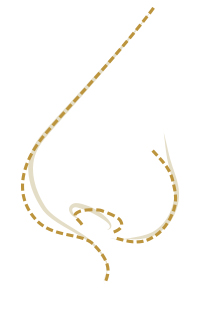 Underprojected Tip
-
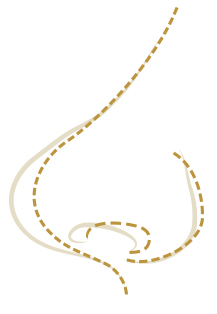 Bulbous Tip
-
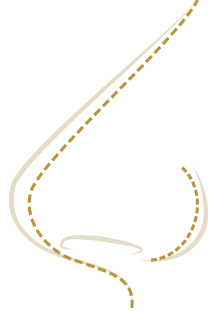 Long Nose
Non-Surgical Rhinoplasty
For patients who want a less invasive option or a way to preview changes before committing to surgery, non-surgical rhinoplasty uses dermal fillers to temporarily reshape the nose, with no downtime and results that fade naturally over 6 to 12 months. It cannot reduce nasal size, reshape bone, or improve breathing, so it suits subtle, temporary refinement rather than permanent change.
Combining Rhinoplasty with Other Procedures
Many patients pair rhinoplasty with other facial procedures for more complete results, including chin augmentation, a facelift, eyelid surgery, a neck lift, or septoplasty. Dr. Cangello will discuss which combinations fit your goals and facial profile during your consultation.
Rhinoplasty: Is It Right for You?
Dr. Cangello will determine your candidacy during your consultation, but generally, good candidates meet the following criteria:
Physical Criteria
- Are in good overall health with no serious medical conditions
- Have fully developed nasal bones, typically age 16 to 18 or older
- Have realistic expectations about surgical outcomes
- Are unhappy with their nose’s appearance or function
- Have specific, achievable goals
Psychological Criteria
- Understand that rhinoplasty is a significant surgical procedure
- Have realistic expectations about results
- Are motivated by personal goals, not outside pressure
- Are emotionally prepared for the recovery process
- Understand that results take time to fully appear
Common reasons patients choose rhinoplasty include dissatisfaction with nose size or shape, a desire for better facial harmony, breathing problems, correction of an old injury, refinement of ethnic features while preserving identity, and revision of an earlier rhinoplasty.
While rhinoplasty can be performed on teenagers, Dr. Cangello recommends waiting until nasal growth is complete, typically age 16 to 18. For younger patients, he assesses whether the nose has finished developing before moving forward.
Rhinoplasty Risks and Safety Considerations
Like any surgical procedure, rhinoplasty carries potential risks. Serious complications are rare when the procedure is performed by a board-certified plastic surgeon like Dr. Cangello.
According to the American Society of Plastic Surgeons, potential rhinoplasty complications include:
- Infection or excessive bleeding, both rare and managed with antibiotics or standard surgical care
- Anesthesia reactions, uncommon with modern techniques
- Temporary breathing difficulty or nasal obstruction from swelling, which usually resolves over time
- Unsatisfactory aesthetic results, addressed through revision surgery if needed
- Temporary loss of smell or taste, or minimal scarring with the open approach that fades over time
Dr. Cangello prioritizes patient safety through meticulous technique, advanced technology like Piezo ultrasonic tools, thorough pre-operative evaluation, careful patient selection, detailed post-operative care, and accessible follow-up support
Testimonials
Rhinoplasty FAQs: Your Questions Answered
Not necessarily. Whether your nasal bones need to be fractured, called an osteotomy, depends on your anatomy and goals. Dr. Cangello will explain whether this applies to you during your consultation. When performed, it is a controlled fracture that heals quickly without long-term problems.
Most patients see final results between 6 and 12 months, with subtle refinements continuing for up to 2 years. See the recovery timeline above for what to expect week by week.
The incision across the columella heals well and becomes nearly imperceptible over time. Internal incisions leave no visible scarring.
Yes. If breathing problems come from structural issues like a deviated septum, collapsed valve, or enlarged turbinates, rhinoplasty can correct them and meaningfully improve airflow.
Bruising varies by patient but typically improves significantly within 10 to 14 days. Avoid resting glasses on your nose for at least 4 weeks; a headband or tape works in the meantime. See the recovery timeline above for the full week-by-week breakdown.
Yes. Many patients combine rhinoplasty with chin augmentation, a facelift, blepharoplasty, a neck lift, or septoplasty. Dr. Cangello will discuss which combinations fit your goals during your consultation.
Dr. David L. Cangello offers rhinoplasty NYC patients trust at his practice in Manhattan. With recognition as one of America’s Best Rhinoplasty Surgeons by Newsweek and membership in The Rhinoplasty Society, Dr. Cangello combines surgical precision with an artist’s eye to deliver results that look natural and fit each patient’s face.
Dr. Cangello’s training, recognition, and approach set him apart. He has been named Newsweek Best Rhinoplasty Surgeon, a Castle Connolly Top Doctor, and a “Super Doctor” in The New York Times. He is a pioneer of Preservation Rhinoplasty in NYC and treats every case as an artist would, customizing each rhinoplasty to the patient’s unique anatomy and goals.
Your Nose, Designed With Intention
A great rhinoplasty result starts with a surgeon who treats your nose as part of a whole, balanced face, not a shape to copy from a reference photo. Dr. Cangello brings that artist's eye to every consultation, along with the surgical precision of Preservation Rhinoplasty and Piezo Ultrasonic technology.
Schedule your private consultation with Dr. Cangello at his Park Avenue office in Manhattan.


Resources
Raggio BS, Asaria J. Open Rhinoplasty. StatPearls. Updated July 4, 2022.
American Society of Plastic Surgeons. What are the risks of rhinoplasty?